
The Grade 6 → 7 transition feels abrupt
Homework load, test coverage, subjects and daily schedules all change at once.
See the transition plan →English, math, repeated-error analysis, after-school scheduling and parent communication are managed as one connected learning flow.
Families do not need another vague promise that an academy “teaches well.” They need a clear answer to the problems that actually disrupt learning continuity.
Homework load, test coverage, subjects and daily schedules all change at once.
See the transition plan →We separate calculation slips, concept gaps, reading errors and time pressure instead of calling everything “careless.”
Check error causes →Multiple academies, pick-ups and homework windows can break the child’s learning rhythm.
See the All-Care flow →We organize what to watch in the first four weeks and what the next action should be.
Book a consultation →English, math, middle-school transition and school-exam needs are different. Choose the guide that matches the problem you want to solve first.
Connect vocabulary, sentence structure, reading, school-style questions and explanation habits.
Separate calculation, concepts, word-problem reading, time pressure and retry habits.
Prepare middle-school homework, tests, error review and scheduling step by step before the first exam.
Track subject weaknesses, written-response items, time allocation and post-test reevaluation.
Use practical checklists for upper-elementary students and families preparing for the transition.
Review class times, shuttle needs, learning checks and after-school movement as one operating flow.
A short diagnostic helps identify which area deserves attention first before a detailed consultation.
Review study habits, math gaps, English routines, test experience and scheduling readiness in seven questions.
Book a consultationSeparate calculation, concepts, word problems, time and review habits to find the next correction target.
Book a consultationWe first review grade, school, subjects and daily schedule, then discuss a realistic plan.
Book a consultationStudents move forward when readiness is confirmed. We adjust classwork, homework, error review and scheduling instead of applying the same fixed fixed calendar to everyone.
Review study habits, English and math foundations, and daily schedule.
Select the first gaps to address for this student.
Introduce homework, timed practice and error review gradually.
Match available class time, transport and sustainable weekly rhythm.
Review adaptation and adjust the next learning step.
We recommend only the level of support the student actually needs and that the academy can realistically operate.
Start with the largest learning leak in either English or math.
Manage the two core subjects in one weekly plan and reduce schedule fragmentation.
Connect core subjects, after-school time and shuttle coordination in one realistic management flow.
Because students progress at different speeds, we do not promise a fixed periodic individual report or a standardized personal plan. Classwork, homework, repeated errors and transition readiness are checked step by step and discussed when needed.
What the student understands in the current unit.
Calculation, concepts, reading, time pressure and review.
Homework start, review, self-correction and explanation.
Adjust the following lesson and adaptation routine.
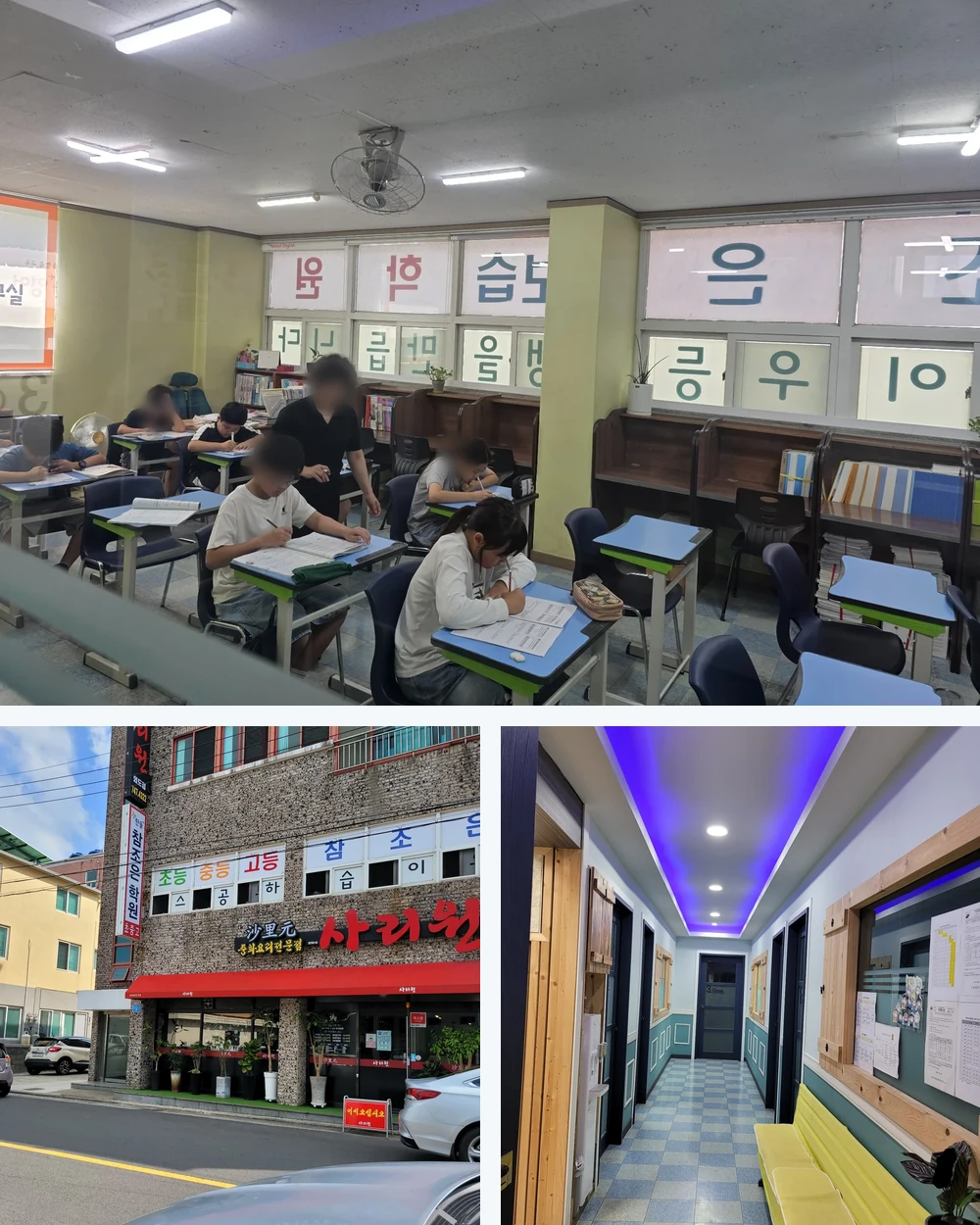
We show the actual learning environment, materials and evidence with the context needed to understand them responsibly.
See evidence policy →Actual schedules, shuttle availability and tuition are confirmed using the latest operating conditions.